Category: Insights
How GLP-1 is Reshaping Food Innovation
A New Era of Functional Nutrition
When consumers eat less, every bite matters more. For food and beverage manufacturers, that means new opportunities to deliver more nutrition in smaller portions.
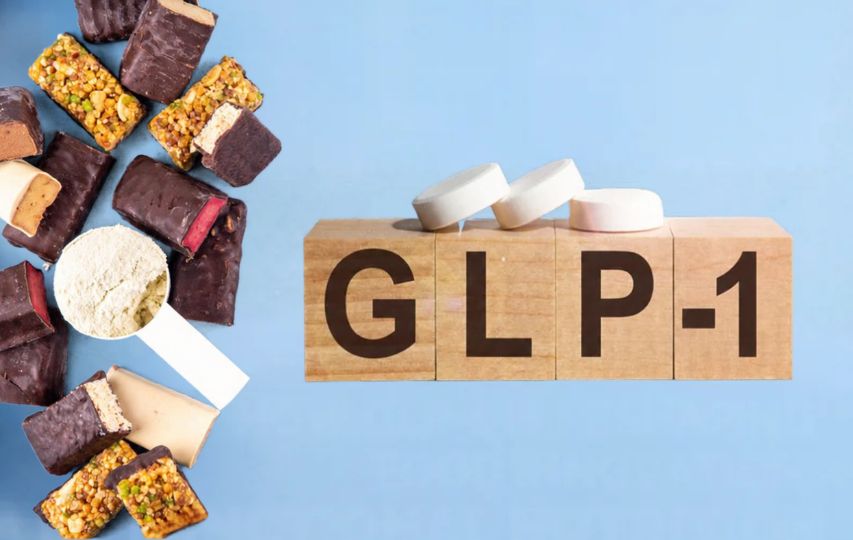
The rise of GLP-1 medications is driving one of the most significant shifts in food and beverage innovation in decades. Originally developed to help manage diabetes and obesity, these medications are fundamentally changing how consumers approach food, nutrition and wellness. As appetite suppression and reduced calorie intake become more common among users, consumers are increasingly prioritizing foods that deliver more nutrition in smaller portions. This evolution in eating behavior is creating new opportunities for food and beverage manufacturers to develop products focused on protein, satiety, hydration and complete nutrition.
For product developers, the opportunity extends beyond weight management. Consumers want nutrient-dense foods, functional nutrition and convenient high-protein options that deliver more value in every bite and sip.
GLP-1 Adoption Continues to Grow
GLP-1 medications have moved into the mainstream. According to Mintel research, 60% of Americans are interested in or currently using GLP-1 drugs,1 signaling broad influence on food purchasing and consumption.
Mintel also reports that 44% of GLP-1 users have stopped taking the medications, with high cost cited as the leading reason for discontinuation.2 Even so, related behaviors such as prioritizing protein, satiety and nutrient density are becoming increasingly embedded in mainstream consumer behavior.
Food manufacturers should view GLP-1 not as a niche trend, but as a catalyst accelerating broader shifts already underway in health and wellness. Consumers are becoming more intentional about food choices and are seeking products that support long-term nutrition goals.

The Rise of GLP-1 Nutrition
One of the defining characteristics of GLP-1 medications is their impact on appetite and calorie intake. Research indicates that GLP-1 users consume approximately 21% fewer calories on average.3 As portion sizes shrink, consumers need foods that provide more nutritional value within a smaller serving.
Therefore, demand is shifting toward nutrient-dense foods with protein, fiber, vitamins, minerals and functional ingredients. Consumers are actively shifting spending away from calorie-dense indulgences such as chips, fast food and ultra-processed snacks and toward products perceived as more nutritious. Categories benefiting from this shift include yogurt, cottage cheese, fresh produce, high-protein dairy products and nutritional beverages.3
GLP-1 is also fueling demand for what many researchers and marketers now describe as “companion nutrition” products. SPINS reports that 80% of GLP-1 users consume at least one supporting product alongside their medication, with protein supplements representing the most used category. This behavior suggests that food and beverage manufacturers have an opportunity to position products as part of a broader nutrition support ecosystem rather than as standalone foods.
Why Protein Has Become Central to
GLP-1 Food Trends
GLP-1 medications can contribute to losses in lean body mass alongside fat loss, making protein intake an increasingly important consideration for users. Research suggests that rapid weight loss, regardless of method, is often accompanied by reductions in muscle mass and that sufficient protein intake may help support muscle protein synthesis during periods of energy restriction.4 This has elevated protein from a fitness-oriented nutrient to a key component of healthy weight-management strategies.
Mintel research shows that 52% of GLP-1 users consider “excellent source of protein” an important attribute when selecting protein products, making it the most important feature among those evaluated. Other desirable attributes include balanced nutrition, clean label ingredients, low carbohydrate content and energizing benefits.1
This contributes to the growing demand for high-protein dairy products, nutritional shakes, meal replacements, cultured dairy foods and protein-fortified beverages. At the same time, satiety-focused foods are gaining momentum as consumers seek products that help them feel satisfied for longer periods between meals. Mintel data shows satiety claims have nearly quadrupled since 2024, while high-protein claims have reached all-time highs.5
Importantly, protein’s growth is not limited to GLP-1 users. SPINS research indicates that protein has become a mainstream wellness priority, with higher-protein products driving growth across multiple food categories and consumers increasingly viewing protein as a foundational element of healthy eating.
Opportunities for Food and Beverage Manufacturers
Deliver More Nutrition in Smaller Portions
Reduced appetite creates demand for nutrient-dense products that fit smaller eating occasions. This creates opportunities for:
- Nutritional beverages
- High-protein yogurts
- Cottage cheese-based products
- Meal replacement drinks
- Portion-controlled protein snacks
- Compact nutrition formats like protein shots and compact shakes*
*New launches that pack in 20-42g of protein in these formats are performing especially well!5
Combine Protein and Fiber
One of the strongest emerging themes in functional nutrition is the combination of protein and fiber. Both nutrients are increasingly associated with fullness, digestive wellness and balanced nutrition. Many successful GLP-1-adjacent products are already leveraging this dual-benefit positioning.
Reimagine Protein-Fortified Beverages
Protein-fortified beverages are a fast-growing area of innovation, with launches up 71% since 2023.5 Interest in added protein reached 22% in 2026, up from 15% in 2025.2
Products that combine protein, hydration, convenience and taste offer a compelling value proposition. Opportunities include:
- Ready-to-drink protein shakes
- Clear protein beverages
- Protein waters
- Functional hydration drinks
- Protein coffee beverages
- Electrolyte-enhanced nutritional beverages
Create More Engaging Eating Experiences
Nutrition is the priority, but enjoyment still matters. Black Swan Data’s predictive social intelligence suggests some users report diminished pleasure from snacking, a phenomenon some consumers refer to as “Ozempic personality.” This creates opportunities for brands to innovate around sensory experience and texture. Research highlights growing interest in crunchy and gooey textures, suggesting consumers continue to seek emotional satisfaction alongside nutritional benefits.6
Why Whey Protein Is Well Positioned
Whey protein aligns well with demand for high-quality protein, satiety, smaller portions and convenient nutrition.
Whey protein isolate leads GLP-1-adjacent product launches, appearing in 16% of products and doubling its share since 2021.5 It delivers high protein density across appealing flavors, textures and formats.
The growing popularity of clear protein beverages further demonstrates how product developers are rethinking traditional protein delivery. SPINS data shows ready-to-drink clear protein products growing 132% year-over-year, highlighting strong consumer interest in lighter, more refreshing protein formats. These clear whey-based beverages reach beyond traditional shakes, typically delivering 20-23g of protein in a low-calorie format.
Turn GLP-1 Trends into Product Innovation
The opportunity reaches beyond current GLP-1 users. Although many consumers discontinue treatment because of cost, side effects or personal preference, they often remain focused on weight management and healthy eating. Manufacturers can support both active users and those maintaining results after treatment with high-quality protein, satiety-supporting ingredients and convenient nutrition formats.
Hilmar helps food and beverage manufacturers meet this demand with whey protein ingredients for clear protein beverages, nutritional drinks, dairy products, snacks and meal replacements. Connect with our team to develop GLP-1-inspired products that deliver protein, satiety and convenience across applications.
Sources:
- Mintel’s The Consumer Approach to Protein – US Report, 2026
- Mintel’s Food and Drink Functional and Nutrition Claims – US Report, 2026
- Mintel’s GLP-1 Medications and the Future of Food, 2025 Outlook
- McCarthy D, Berg A. (2021). Weight Loss Strategies and the Risk of Skeletal Muscle Mass Loss. Nutrients, 13(7):2473.
- Mintel GNPD
- What Mintel’s 2026 Food and Drink Predictions Mean for Dairy, 2025
You may also be interested in these stories
How GLP-1 is Reshaping Food Innovation

Hilmar's 2025 Sustainability Report
Unlocking Better Bar Performance

Why Natural Cheese is Powering Category Growth

Clear Protein Drinks: A Growing Market Trend
Breaking Down the Whey Protein Alphabet: WPC, WPI and WPH Explained

Cheese and Whey Protein Trends You Can't Ignore in 2025

The Hilmar Way: A Shared Commitment to People, Quality and Progress
Cheese and Whey Protein Trends
Key Trends You Can’t Ignore in 2025
From Gen Z cheese lovers to the rise of sports nutrition and GLP-1-friendly products, discover how Hilmar helps formulators stay ahead of evolving consumer demands.
Why Tracking Trends Matters
At Hilmar, we keep a close eye on consumer and industry trends in cheese and whey protein. By understanding where the market is headed, we help formulators and brands develop innovative products that meet evolving consumer needs and drive growth.
Cheese Consumption Is Rising Among Younger Generations
Cheese remains a staple for younger consumers. In 2024, 25% of Gen Z and Millennials ate cheese daily, compared to just 13% of Baby Boomers. These consumers view cheese as affordable and essential, signaling strong demand regardless of income level. The outlook is bright, with cheese retail value sales projected to grow 14% to $36 billion by 2029.¹
- Natural cheese ranks among the top three dairy categories for Gen Z (Circana)
- 30% of U.S. shoppers use dairy-based cheese as a meat protein alternative (Innova)
American-style and Italian-style cheeses dominate U.S. consumption, accounting for over 80% of natural cheese sales.2 Cheddar and Mozzarella lead the way thanks to their versatility and familiar taste. With 20 styles of Cheddar and Monterey Jack and four Mozzarella options in our cheese portfolio, Hilmar is committed to helping you deliver the flavors consumers love.
Sports Nutrition Goes Mainstream
Sports nutrition is no longer niche—it’s a booming, fragmented market. 86% of consumers associate whey protein with sports nutrition, making it the most appealing protein ingredient. And with 96% of global consumers purchasing a sports nutrition product in the past six months, many of whom are not athletes, the opportunity is huge.³
Protein consumption continues to rise: In 2022, 59% of consumers said they try to consume protein, increasing to 70% in 2025.⁴ And for the first time, “good source of protein” is the most common criteria used by Americans to define a healthy food.4 Beyond muscle health, consumers are seeking benefits for gut health, cognitive health, and weight management—areas where whey protein excels. Containing all nine essential amino acids, whey protein delivers complete nutrition for today’s wellness-focused lifestyles.
A Spotlight on Sports Nutrition¹
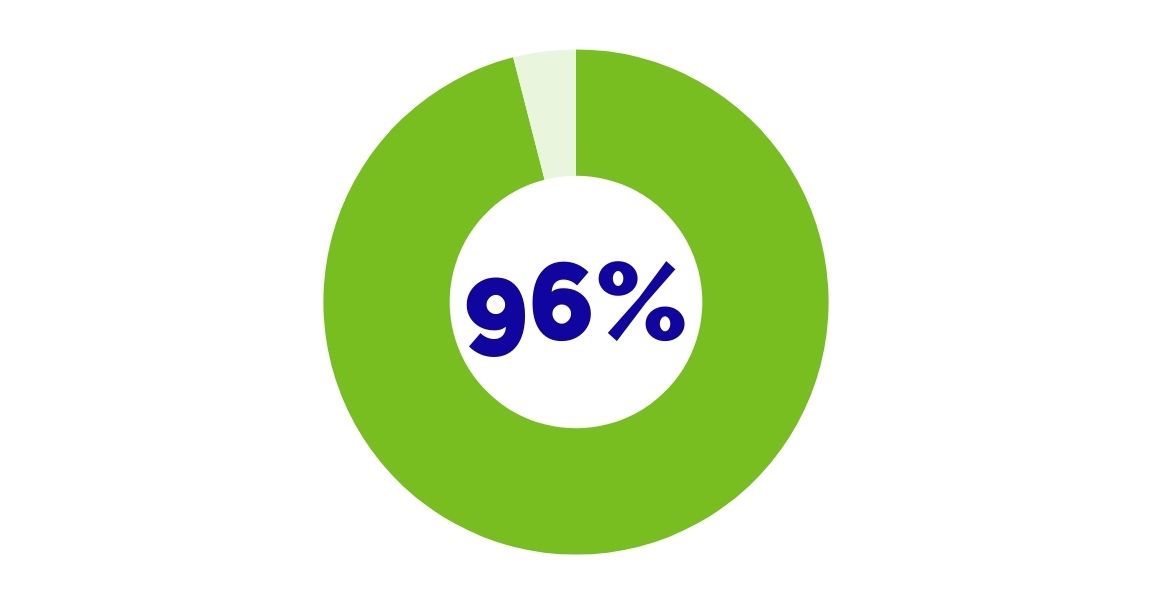
of global consumers have purchased a sports nutrition product over the last 6 months
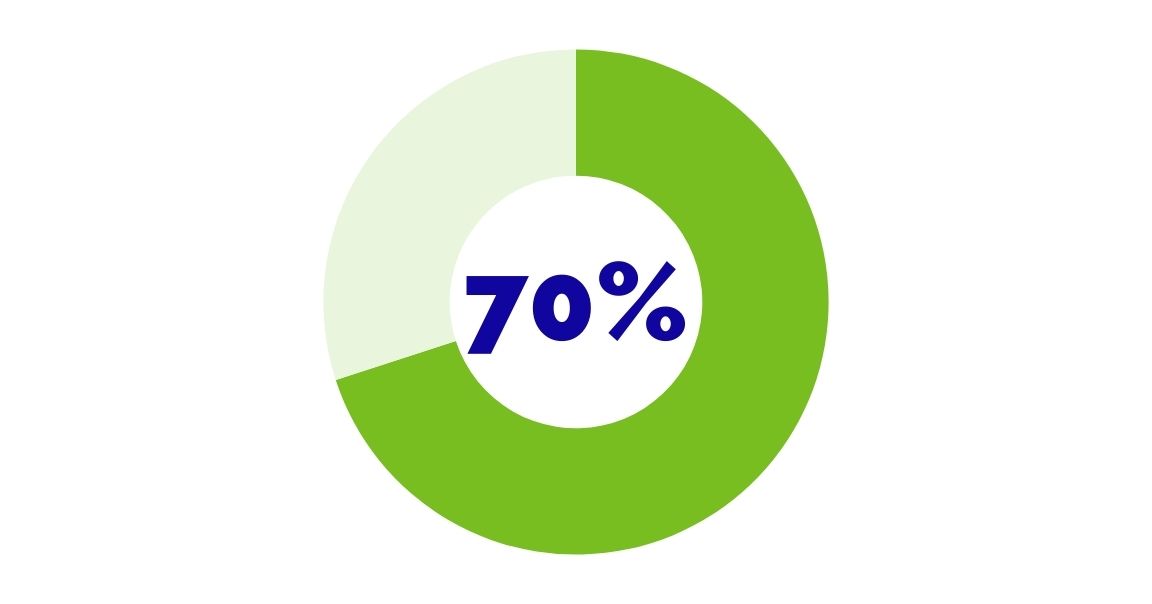
of global consumers think sports nutrition products have helped with their health goals

of buyers of sports nutrition products use them as an aid to boost their general health
Innovation Opportunities with GLP-1 Users
The rise of GLP-1 medications for weight management is reshaping eating habits. These consumers prioritize high-protein options to maintain satiety and energy while controlling calories. As overall food intake declines, the demand for nutrient-dense, protein-forward products grows—creating a unique innovation opportunity.
Hilmar offers high-quality whey protein ingredients with exceptional functionality, clean taste, and proven nutritional benefits. Whether you’re adapting existing formulations or creating new products tailored to GLP-1 users, Hilmar provides the expertise and solutions to help you lead in this emerging market.
Sources:
- Mintel US Cheese Report, October 2024
- USDA, Cheese per Capita Consumption, November 2024
- FMCG Gurus A Spotlight on Sports Nutrition – Global Report, 2024
- IFIC Food & Health Survey, 2025
You may also be interested in these stories
How GLP-1 is Reshaping Food Innovation
Hilmar's 2025 Sustainability Report
Unlocking Better Bar Performance
Why Natural Cheese is Powering Category Growth
Clear Protein Drinks: A Growing Market Trend
Breaking Down the Whey Protein Alphabet: WPC, WPI and WPH Explained
Cheese and Whey Protein Trends You Can't Ignore in 2025