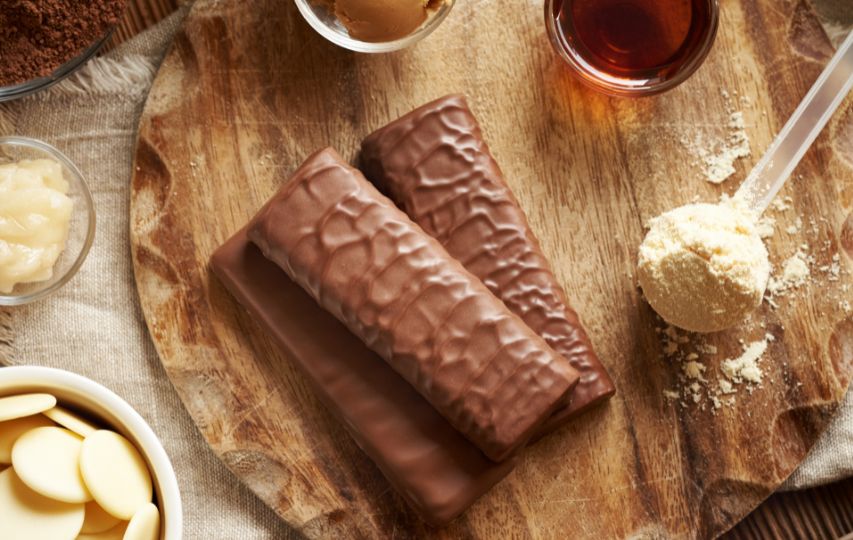
Breaking Down the Whey Protein Alphabet
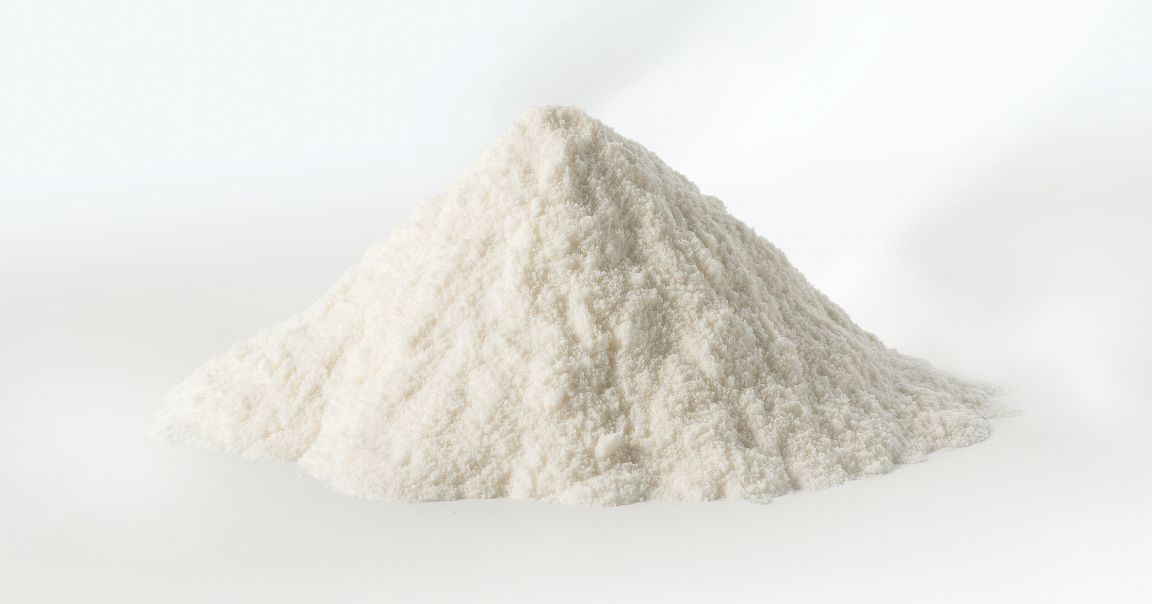
WPC, WPI and WPH Explained
Protein Fortification: A Growing Trend
Protein isn’t just for athletes anymore. Today, consumers are seeking protein in everyday foods and beverages—from snacks and bakery items to ready-to-drink beverages and even indulgent treats. This surge in demand is driven by health-conscious lifestyles, weight management goals and the growing recognition of protein’s role in satiety and muscle maintenance.
For manufacturers, this trend represents both an opportunity and a challenge: how to deliver high-quality protein without compromising taste, texture or functionality. Whey protein stands out as a solution because of its superior amino acid profile, versatility and clean dairy origin.
The Basics: What is Whey Protein?
Whey is the liquid byproduct of cheese production, rich in lactose, minerals and high-quality proteins. These proteins are prized for their nutritional profile and functional versatility, making them essential in sports nutrition, health and wellness foods and mainstream consumer products.
Hilmar's Whey Protein Stream
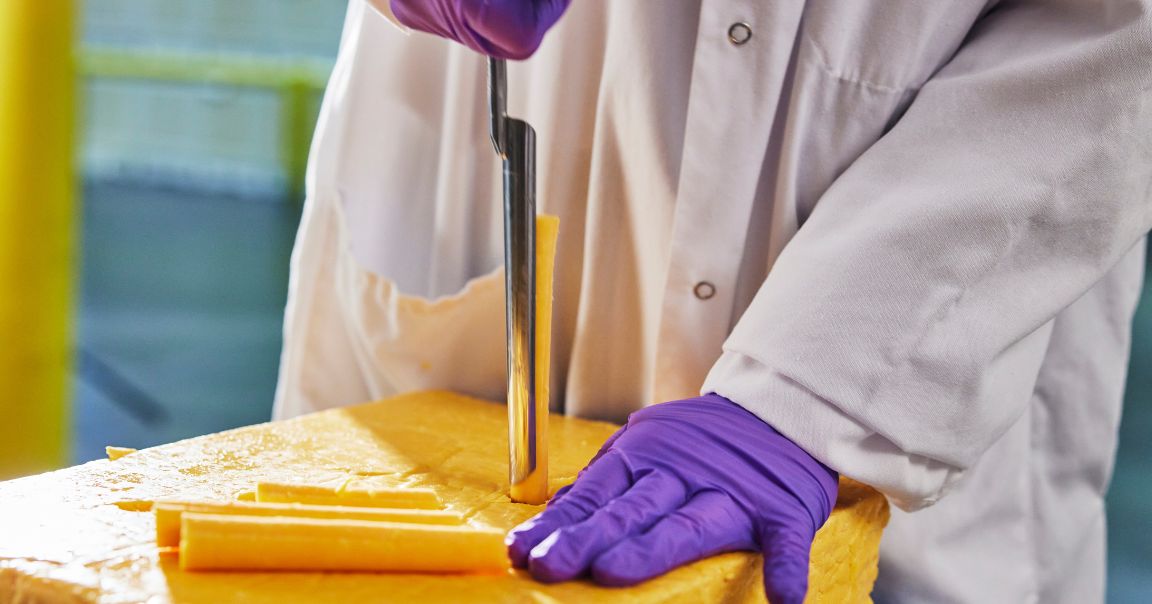
Fresh, Superior-Quality Whey Stream
Our whey originates from our state-of-the-art cheese manufacturing operations, all crafted with our premium milk supply sourced from independent family-owned dairies.
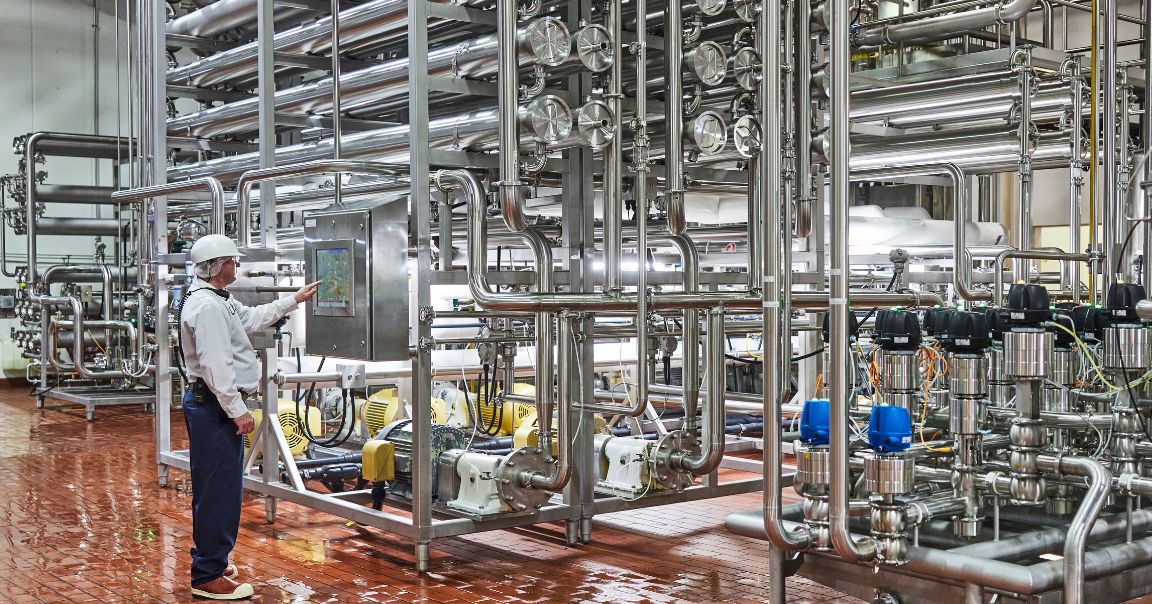
Processing Expertise
We meticulously process the liquid whey, eliminating excess water, carbohydrates and minerals with advanced filtration methods.
Cutting-Edge Innovation
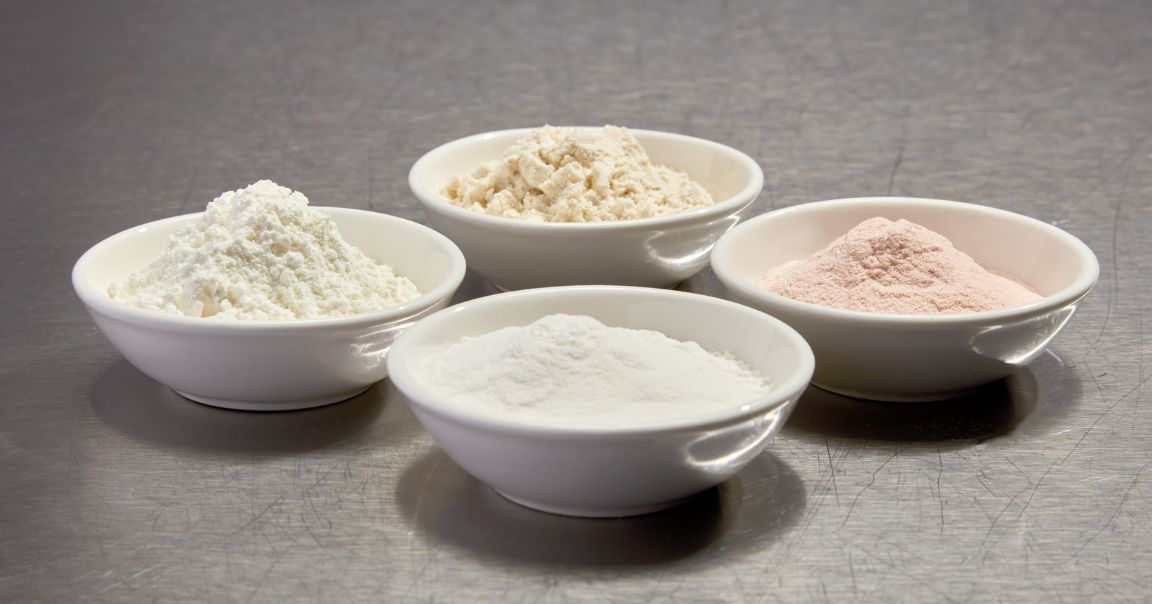
We further process for fractionation, agglomeration and hydrolysis to produce a wide range of functional and highly nutritious protein ingredients.
Why Are There Various Types of Whey Protein?
Different applications demand different performance attributes from their protein source. To meet these needs, processors like Hilmar can tailor the composition and structure of whey proteins through distinct unit operations like ultrafiltration, microfiltration, ion exchange and enzymatic hydrolysis.
This specialization is guided by industry standards so that buyers, formulators and quality teams share a common language. The American Dairy Products Institute (ADPI) is widely recognized as the go to authority for dairy ingredients. ADPI’s ingredient standards define specifications and nomenclature for alignment across the dairy industry. The definitions and distinctions below reflect ADPI-aligned terminology used throughout the market.
The Big Three: Processing and Differences
Whey Protein Concentrate (WPC)
WPC is created through ultrafiltration, a process that selectively removes water and some of the non-protein components such as lactose and minerals, while retaining most of the protein. This results in a dry powder with a protein content of at least 25% protein. WPC 80 (80% protein) is the most common commercial grade for food and beverage formulation.
Because WPC retains more lactose and fat compared to isolates, it offers unique functional benefits. Its composition makes it an excellent choice for cost-sensitive fortification and for applications where texture, mouthfeel and dairy flavor notes are desirable.
Whey Protein Isolate (WPI)
These products contain minimal lactose (<1%) and fat (<1.5%) and reduced minerals. WPI typically has superior solubility and heat stability properties, critical for clear beverages and UHT processing.
The composition of WPI is remarkably clean, resulting in superior functional performance. WPI offers exceptional solubility, even in acidic environments, and heat stability, which is critical for applications such as clear protein beverages and UHT-processed ready-to-drink shakes. WPI is often used by formulators targeting premium sports nutrition, medical foods or low-lactose products.
Whey Protein Hydrolysate (WPH)
WPH begins as either WPC or WPI and is then enzymatically hydrolyzed, a process that breaks peptide bonds within the protein structure. This controlled hydrolysis significantly alters both the nutritional and functional properties of the protein. The degree of hydrolysis (DH) determines the extent of breakdown, resulting in a mixture of protein fragments of varying sizes—intact proteins, polypeptides, oligopeptides, dipeptides and even free amino acids.
These structural changes deliver key benefits: faster absorption, improved digestibility and unique functional behavior in formulations. WPH is particularly valuable in specialized applications such as infant formula, clinical nutrition and sports recovery products, where rapid uptake and reduced allergenicity are critical. However, formulators must manage sensory challenges such as bitterness, which can increase with higher degrees of hydrolysis.
Hilmar WPC Solutions
- Hilmar 8200 — 80% protein with heat stability and gelling properties in multiple food applications.
- Hilmar 8500 — lactose-free 80% protein with high solubility and acid soluble and stable for use in RTD and recovery beverages.
- Hilmar 7000 — 70% protein ideal for milk‑solid replacement and cost‑effective fortification.
- Hilmar 8000 — 80% protein for basic fortification in multiple food applications.
- Hilmar 8010 & 8011— 80% protein agglomerated and instantized with soy or sunflower lecithin for powdered dry mix applications.
Hilmar WPI Solutions
- Hilmar 9020 — 90% protein that is clear in solution with superior dispersibility, low foaming and excellent heat and acid stability: ideal for clear beverages, gels and protein waters.
- PROfunction Adapt — lactose‑free, fat‑free and heat stable; a versatile choice across beverages and functional foods.
- Hilmar 9000 — 90% protein that is heat stable, low foaming, low fat and lactose with a neutral flavor.
- Hilmar 9010 & 9011 —90% protein agglomerated and instantized with soy or sunflower lecithin for quick dispersion in cold water.
Hilmar WPH Solutions
- PROtelyze™ Advance — moderately hydrolyzed 80% protein for better bioavailability, heat stable, acid soluble and stable, and highly soluble with easy digestibility.
- Hilmar 8350 — moderately hydrolyzed 80% protein designed for infant applications, offering high digestibility and antioxidant benefits.
- Hilmar 8360 — moderately hydrolyzed 80% protein that is agglomerated and instantized with soy lecithin, providing high digestibility in powdered applications.
- Hilmar 8390 — 80% protein with a high degree of hydrolysis providing easy absorption, ideal for use in infant formula.
- PROtelyze™ for Bar — low-degree of hydrolysis, low lactose and fat, and clean flavor profile without hydrolysate sensory properties for nutrition bars. Also provides enhanced functionality benefits such as bar softening.
- PROtelyze™ for Powder — low-degree of hydrolysis, agglomerated and instantized with soy lecithin for dry mix applications with clean flavor and rapid dispersibility.
Hilmar Has You Covered
We understand that protein innovation is more than just supplying ingredients—it’s about enabling success in formulation, processing and market differentiation. Our portfolio of whey protein solutions spans concentrates, isolates and hydrolysates, each designed to meet precise performance requirements for solubility, clarity, heat stability, texture and nutritional profile.
We’d love to partner with you to solve formulation challenges, optimize processing conditions and accelerate product development. Whether you’re developing next-generation nutrition solutions or expanding into new categories, our whey protein technologies and application know-how help you stay ahead in a competitive landscape.
You may also be interested in these stories

Martin Narvaez: Engineering the Future

Hilmar's 2025 Sustainability Report

Hilmar Cheese Company Celebrates America’s 250th Anniversary with Cheese Donations to Support Food Security

Hilmar® Awards 63 Educational Scholarships

Jeremy McLeod: Leading Technical Services and R&D
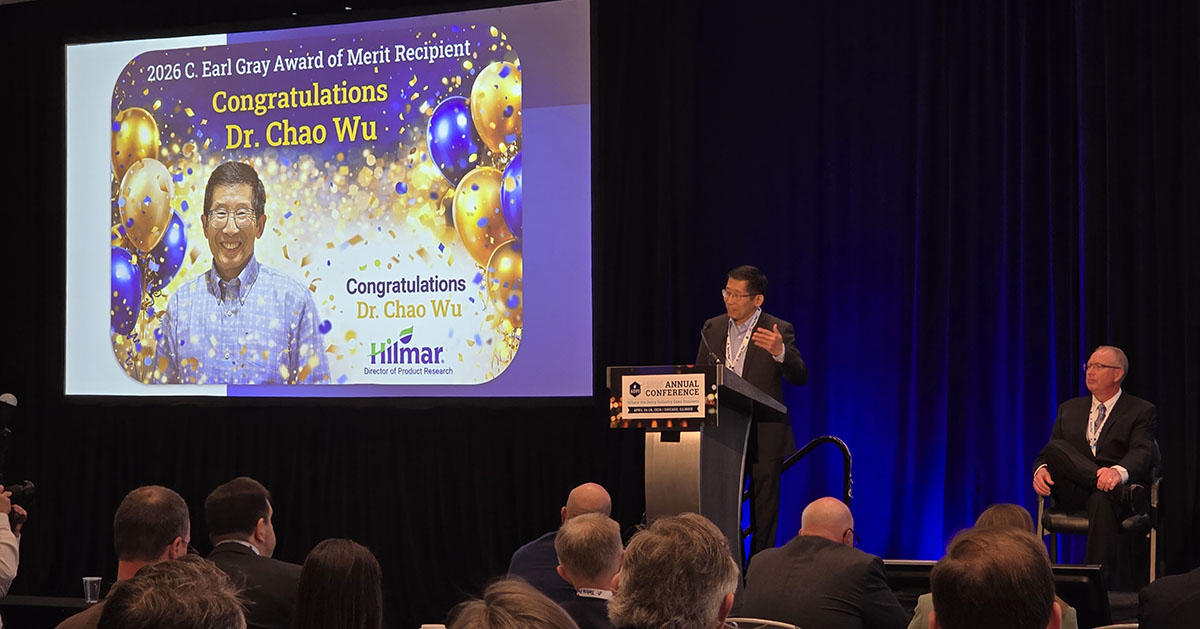
Dr. Chao Wu Named ADPI C. Earl Gray Award Recipient

Hilmar® Earns Nine Medals at Prestigious 2026 World Championship Cheese Contest